
Summary
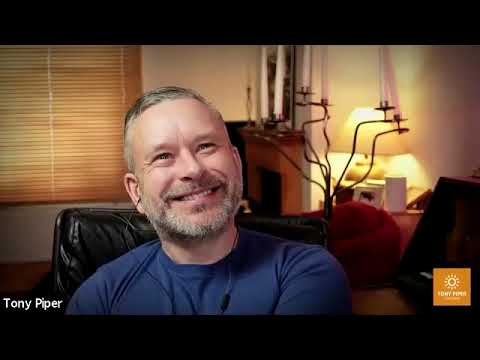
Tony Piper discusses his work as a transformational coach, helping technical leaders develop through "inside-out" understanding using clean language and three principles approaches.
Ideas
- Transformational coaching turns people inside out by helping them discover their innate wisdom and natural state of wellbeing.
- Clean language coaching uses client metaphors and limited questions to avoid imposing the coach's perspective on clients.
- Most IT problems stem from human understanding and connection issues rather than technical challenges themselves.
- Leaders who maintain calm and positive states tend to propagate wellbeing throughout their entire organizations.
- Subtractive psychology focuses on removing barriers to confidence rather than trying to build confidence artificially.
- Trading psychology boot camps reveal how mindset and emotional control are crucial for success in financial markets.
- Group coaching creates powerful learning environments where participants gain insights from each other's experiences.
- Technical leaders often struggle with the transition from individual contributor roles to broader leadership positions.
- Well-being naturally spreads through organizations when leaders maintain positive and grounded emotional states.
- Fixed-fee coaching arrangements over 3-month periods allow for deeper transformation without watching the clock.
- Clean language approach limits coaches to specific questions, preventing them from imposing their own perspectives.
- Transformational coaching helps people recognize that they create their own experience of life and reality.
- Communication challenges often stem from comfort with asynchronous rather than real-time conversation methods.
- Coaching engagement works best when both direct reports and their managers are involved in the process.
- Most coaching clients come through referrals because transformation's possibilities are difficult to advertise directly.
- Group coaching allows more people to access transformational work at a more affordable price point.
- Leaders in calm states create better work environments than those operating from stress or frustration.
- Technical experts often reach career crossroads between deepening expertise or developing leadership capabilities.
- Preventative wellbeing approaches are more valuable than reactive solutions to existing problems.
- Client transformation often occurs between coaching sessions rather than during the conversations themselves.
- The coaching relationship works best when clients fully commit through upfront payment and engagement.
- Maintaining presence and calm creates space for others to find their own state of peace.
- Coaching effectiveness increases when working with both individuals and their organizational system.
- Most powerful insights come naturally when people are in a grounded and calm state.
- Regular check-ins and availability build trust and allow for timely support when needed.
Insights
- True transformation comes from removing barriers to our natural state rather than adding new techniques.
- Leadership effectiveness stems more from presence and state of mind than from specific skills or strategies.
- Wellbeing is contagious - leaders' emotional states ripple throughout their entire organizational system.
- The most powerful coaching happens when clients discover their own insights rather than receiving advice.
- Technical expertise alone doesn't prepare leaders for the human dynamics of organizational leadership.
- Sustainable change requires working with both individuals and the systems they operate within.
- Real transformation often feels like "coming home" to who we naturally are beneath our conditioning.
- The best coaching creates space for insight rather than trying to fix or change people.
- Group dynamics accelerate learning through shared experiences and collective wisdom.
- Prevention of problems is more valuable than developing better ways to handle symptoms.
Quotes
- "Nobody's broken and nobody's going to harm you by what they say or what they do."
- "Rather than finding confidence, it's about finding the ways that we take ourselves away from confidence."
- "We create our experience - that's at the heart of this."
- "It's felt like coming home."
- "Most IT problems are not technical problems, they're problems of human understanding and connection."
- "Well-beings propagate well-being through organizations."
- "Let's stop people needing plasters in the first place."
- "People often don't know what's possible."
- "The thing about insights is that in the moment they feel really powerful."
- "I like to serve my clients to the fullest extent that I can."
- "So much waste in the software industry is caused by misunderstanding."
- "You just get a sense of well-being and how well-beings propagate well-being through organizations."
- "Leaders in calm happy and energized states drew the highest levels of productivity."
- "I'm much more interested these days just sort of zooming out a bit."
- "Clean language is all about working with the client's metaphor."
Habits
- Maintains limited active client load of five to ten people to ensure quality of presence and service.
- Responds to client messages within 24 hours unless on holiday to maintain consistent support.
- Works in three-month engagement periods to allow sufficient time for meaningful transformation.
- Practices staying grounded and calm to create transformative space for clients.
- Focuses on working with both individual clients and their managers for systemic change.
- Uses clean language techniques to keep coaching focused on client's own metaphors and experiences.
- Prioritizes group coaching to create collaborative learning environments and greater accessibility.
- Maintains availability for clients between sessions while setting clear boundaries.
- Takes upfront payment to ensure client commitment to the transformation process.
- Limits daily coaching hours to maintain energy and presence for each client.
- Avoids phone calls in favor of text messages for asynchronous communication.
- Works primarily through referrals rather than advertising to build authentic relationships.
- Practices subtractive psychology by removing barriers rather than adding techniques.
- Creates calm spaces for clients to discover their own insights naturally.
- Regularly checks in with clients' managers to ensure aligned development support.
Facts
- Clean language coaching uses less than two dozen specific questions to guide client conversations.
- Trading psychology heavily influences success in financial markets through emotional control.
- Most technical leaders struggle with transition from individual contributor to leadership roles.
- Harvard Business Review confirms leader state of mind directly impacts team performance.
- Coaching engagements typically last three months for meaningful transformation to occur.
- Group coaching creates more affordable access to transformational work than individual coaching.
- Technical professionals often prefer asynchronous communication over real-time conversations.
- Well-being practices improve employee engagement scores and reduce project defect rates.
- Most coaching clients come through referrals rather than marketing or advertising.
- Transformational coaching fees typically range between three to ten thousand pounds.
- Leaders' emotional states directly impact team morale and employee engagement levels.
- Software industry waste often stems from communication misunderstandings.
- Clean language approach prevents coaches from imposing their perspectives on clients.
- Most IT problems stem from human understanding rather than technical issues.
- Regular coaching sessions typically last between one to two hours.
References
- Clean Language and Clean Space movement
- Three Principles approach
- Harvard Business Review article on state of mind affecting work performance
- Subtractive psychology
- Beach ball underwater metaphor
- Trading mindset boot camps
- IT industry leadership development
- Strategic well-being concept
- Transformational coaching methodology
- Systems thinking in organizational development
One-Sentence Takeaway
True transformation comes from removing barriers to our natural state rather than adding new techniques or strategies.
Recommendations
- Focus on removing barriers to natural well-being rather than adding techniques to create artificial states.
- Engage both individual leaders and their managers in the coaching process for systemic organizational change.
- Create calm, grounded spaces for people to discover their own insights rather than providing direct advice.
- Use clean language techniques to keep coaching focused on client's own metaphors and experiences.
- Work with technical leaders to develop communication skills beyond their comfort with asynchronous methods.
- Implement preventative well-being practices rather than reactive solutions to existing organizational problems.
- Maintain limited client loads to ensure quality of presence and service in coaching relationships.
- Structure coaching engagements for three-month periods to allow time for meaningful transformation to occur.
- Practice staying grounded and calm to create transformative space for others to discover insights.
- Develop group coaching programs to make transformational work more accessible and affordable.
- Focus on systemic change by working with both individuals and their organizational context.
- Use fixed-fee arrangements to remove time pressure from the coaching relationship.
- Build coaching practice through referrals rather than marketing to ensure authentic connections.
- Help technical leaders navigate the transition from individual contributor to leadership roles.
- Create opportunities for peer learning through group coaching formats.